Define what the review is meant to confirm
A pre-shipment inspection is most useful when it checks an agreed order record against the equipment and documents prepared for dispatch. It is not a substitute for the manufacturer’s quality process, a legal conformity assessment, a product test or a site acceptance procedure after arrival.
Before booking an inspection or asking for photos, gather the purchase order, quotation, proforma invoice and any agreed technical annex. These documents provide the reference for the particular electric forklift order. A catalogue image or a general product page cannot show every mast, battery, fork, tyre or attachment choice included in a configured truck.
The goal is to identify mismatches, missing information and open assumptions while there is still time for the buyer and supplier to clarify them. Keep the request factual: ask what is fitted, what document applies and which points remain subject to confirmation.
Build a unit-by-unit configuration record
If an order contains more than one truck, make a simple record for each unit or configuration group. List the model, rated capacity stated in the order, mast, forks, attachments, battery, charger, tyre choice, decals and destination-market requirements that the parties have agreed to discuss. Include any serial or identification information once it is available.
| Item to compare | Question for the pre-shipment review |
|---|---|
| Order and quotation | Which configuration and inclusions are recorded? |
| Truck identification | How will each delivered unit be linked to its documents? |
| Mast, forks and attachments | Do the visible or recorded items match the agreed configuration? |
| Battery and charger | Which battery and charger identifiers belong to the shipment? |
| Manuals and documents | Which documents are supplied, and for which model or configuration? |
| Packing list and labels | How are the trucks, accessories and loose items identified? |
| Open points | What still needs written confirmation before dispatch? |
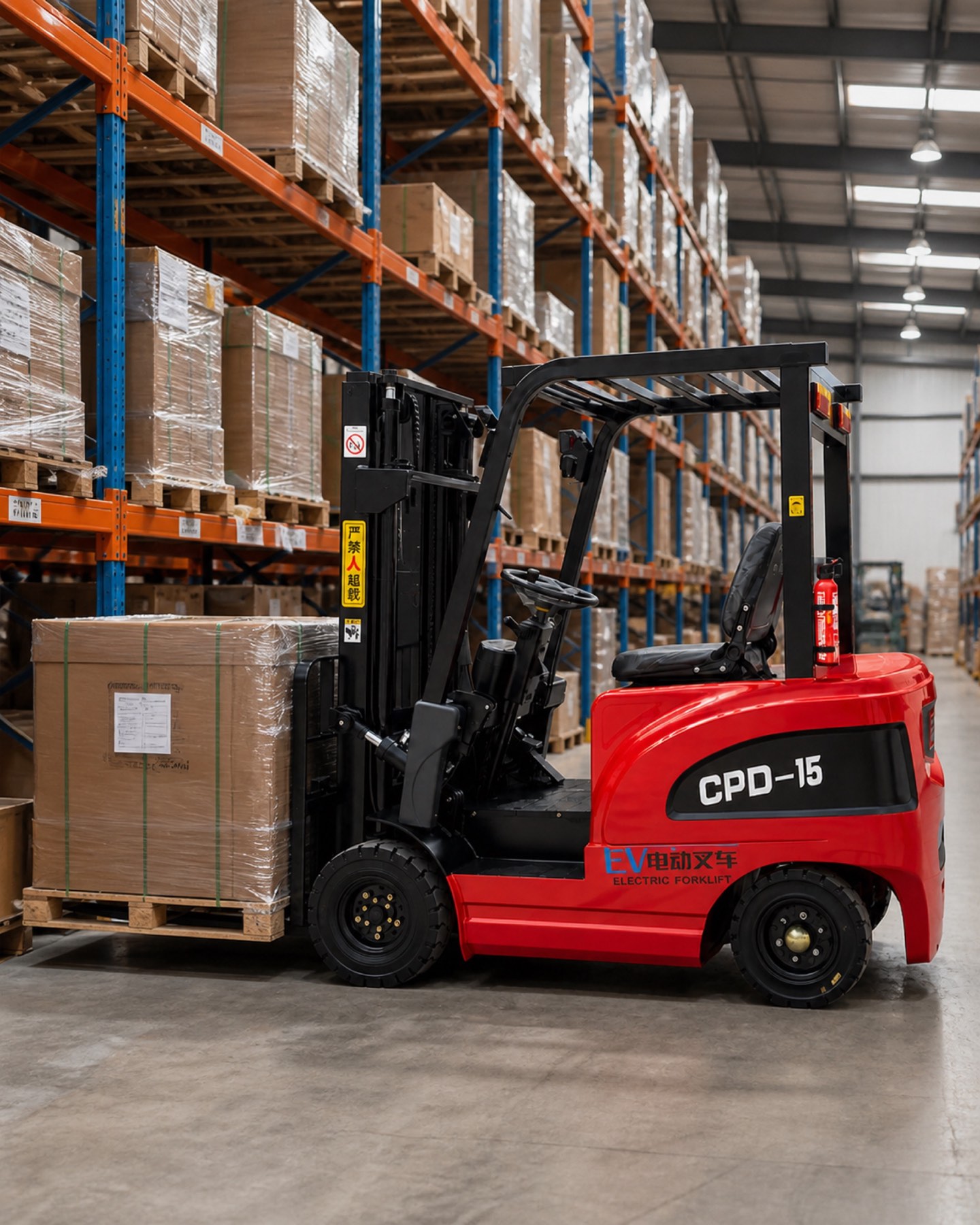
The published CPD-15, CPD-20 and CPD-30 pages can support an initial conversation about the series. The signed order record should remain the reference for the truck actually being shipped.
Ask for clear, dated evidence
Agree in advance what evidence is useful for the order. Depending on the inspection scope, this may include dated photographs, a configuration summary, copies of applicable identification information, packing details and a list of documents prepared for release. Ask the supplier to label evidence by unit or order line where possible; a collection of unlabelled workshop photographs is harder to compare with an import file.
Do not treat photographs alone as proof that a technical, regulatory or operational requirement has been met. They can help show what was presented for review, but final decisions should rely on the applicable documents, the agreed specification and any qualified inspection or compliance process required for the destination.
For an import order where CE-related documentation is relevant, our CE documentation checklist explains why buyers should ask for documents that identify the actual manufacturer and equipment. It is general information, not legal advice or a claim that a listed model has a particular approval.
Separate the charging package from the truck photo
The charger, battery and related accessories can be packed separately from the forklift. Confirm how the order record connects those items to each proposed truck configuration. Ask which labels, model references, connector details and instructions will accompany the charging package.
This is particularly important when a distributor will receive several configurations or arrange local installation. The supplier and the buyer’s responsible site team should resolve electrical-installation and local safety questions through the applicable instructions and qualified professionals. An importer checklist should not be used to prescribe a charger installation or to infer compatibility from a similar prior order.
Use our electric forklift charger compatibility checklist to prepare the battery, charger and site-supply information that needs discussion before the package is treated as final.
Review packing and handover information
Ask how the forklift, detachable items, spare keys, chargers, manuals and optional accessories are listed for transport. Match the packing list to the agreed shipment scope rather than assuming that a visible accessory is included. If an item is to follow separately, is supplied locally or remains subject to confirmation, ask for that distinction to be written down.
For distributors, retain the final configuration record with the delivery and service file. The record becomes more useful later when a customer asks about a part or a service reference. Our spare-parts planning guide for distributors outlines the configuration details that help make later support requests more specific.
Resolve discrepancies before release
If the review finds a difference, describe it against the order line: what was expected, what was observed or recorded, and what answer is needed. Avoid deciding from an informal message that a substitution is acceptable. Request a written clarification stating whether the change affects the configuration, price, documents, packing or dispatch schedule.
Likewise, do not delay an order indefinitely for information that was never part of the agreed scope. Keep a short list of genuine release conditions and a separate list of lower-priority questions. This gives both parties a workable path to resolve the important points without presenting a generic inspection form as a contractual acceptance standard.
Importer checklist before dispatch
Before authorising shipment, confirm that:
- the latest order and quotation identify the intended truck configuration;
- each truck or configuration group can be linked to the relevant evidence and documents;
- mast, forks, attachments, battery and charger details have been compared with the agreed scope;
- supplied, separately packed and excluded items are distinguished on the packing information;
- any destination-market document questions have been raised against the actual equipment; and
- remaining discrepancies or assumptions have a written owner and resolution.
A disciplined pre-shipment file makes the order easier to hand over to the importer, distributor and receiving team. Send your order configuration and destination requirements for a pre-shipment discussion