Treat the charger as part of the forklift configuration
An electric forklift quotation can look complete while the charging arrangement is still unclear. Before ordering, ask the supplier to identify the battery and charger proposed for the actual truck—not simply a charger described as suitable for an electric forklift.
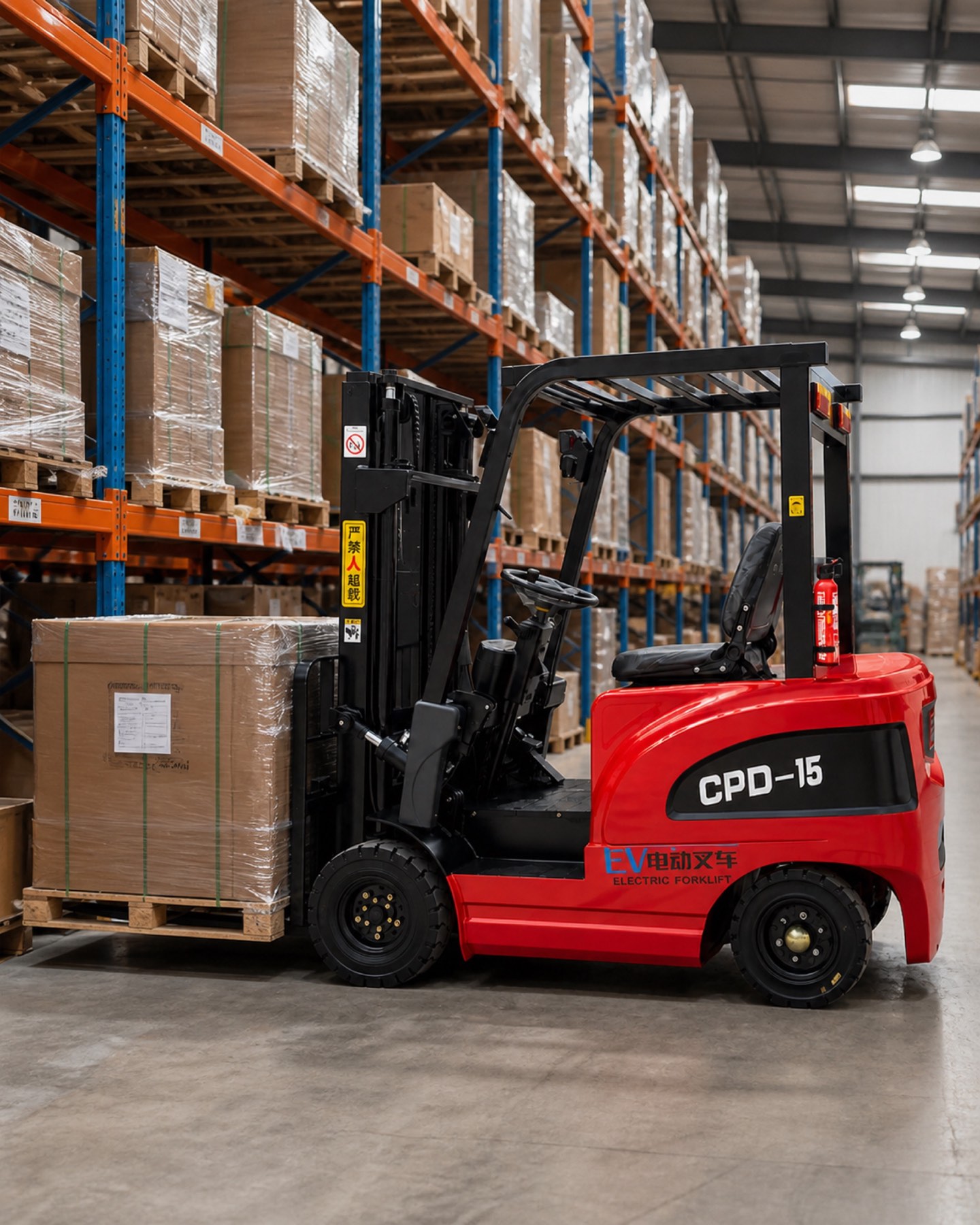
The useful purchasing question is whether the proposed truck, battery, charger and site electrical supply have been reviewed together. A product-family photo, a generic charger label or a previous fleet arrangement is not enough to confirm that a new package matches the intended application.
Start with the battery information
Ask the supplier to state the battery chemistry, nominal battery voltage, capacity, battery identification and any communication or connector requirements that apply to the quoted configuration. These details give the buyer a clear record for comparing proposals and for discussing local service support later.
Do not rely on a capacity figure alone. Battery capacity, charger output, control system and connector arrangement can all be configuration-specific. If any item is still to be selected after the order, ask for that open point to be written into the quotation or technical agreement.
For the operating and documentation questions that follow delivery, see our lithium forklift battery care guide.
Describe the charging location before requesting a final proposal
Suppliers need more than the country and an approximate number of working hours. Record where charging is expected to take place, the available electrical supply, the distance to the intended position, the operating schedule and any site restrictions that may affect the installation. The site team should confirm its own electrical and safety requirements with appropriately qualified people.
This is not a request to improvise a charging setup. Use the instructions and equipment approved for the delivered truck, battery and charger. A buyer checklist cannot replace the supplier's documentation, a local electrical assessment, operator training or site safety procedures.
| Information to provide | Why it helps the quotation review |
|---|---|
| Proposed truck model and configuration | Links the charging package to the actual equipment |
| Battery chemistry, voltage and capacity | Establishes the battery details being considered |
| Charger model and output information | Makes the proposed charger identifiable |
| Connector and communication details | Helps prevent assumptions about physical or control compatibility |
| Available site electrical supply | Allows the site and supplier to discuss installation requirements |
| Shifts, breaks and expected use pattern | Provides context for battery and charging planning |
| Local service contact and destination | Helps clarify documentation and support questions |
Ask how the proposal handles the working day
A suitable package depends on the buyer's real work pattern, not just the longest possible shift. Explain whether the truck is used continuously, during defined dispatch windows or intermittently between tasks. Record how many trucks are planned, whether they share a charging area and when they are normally available for charging.
Avoid asking a supplier to promise a runtime without a defined duty pattern. Load, travel distance, lift height, attachment use, floor conditions, temperature and operator practice can all affect actual energy use. Instead, ask what assumptions the supplier has used and which items need confirmation before the proposed battery and charger package is treated as final.
Compare quotes on the same scope
When comparing suppliers, send each one the same application information. Then check whether every response identifies the battery, charger, connector, included cables or accessories, installation scope and exclusions. An apparently lower equipment price may not represent the same charging scope.
The published pages for the CPD-15, CPD-20 and CPD-30 can help with an initial product comparison. Final battery and charger selection must be confirmed for the quoted truck rather than inferred from a general series description.
If the truck also has to serve narrow aisles, loading points or other constrained areas, include those conditions in the same enquiry. Our electric forklift buying guide explains the wider load, lift-height and route information that helps suppliers review the complete application.
Questions to resolve before placing the order
Ask the supplier for a written response to these points:
- Which battery and charger are included with the quoted truck?
- Which identifiers, ratings and connector details should appear on the order record?
- What site electrical information must be confirmed before installation?
- What operating assumptions were used to discuss battery and charging suitability?
- Which accessories, installation work or commissioning items are included or excluded?
- Which instructions, service contacts and escalation route will be supplied for the delivered package?
A clear charging-package record makes quotations easier to compare and reduces the risk of unresolved assumptions after delivery. Send your truck model, working pattern and available site supply for a configuration discussion