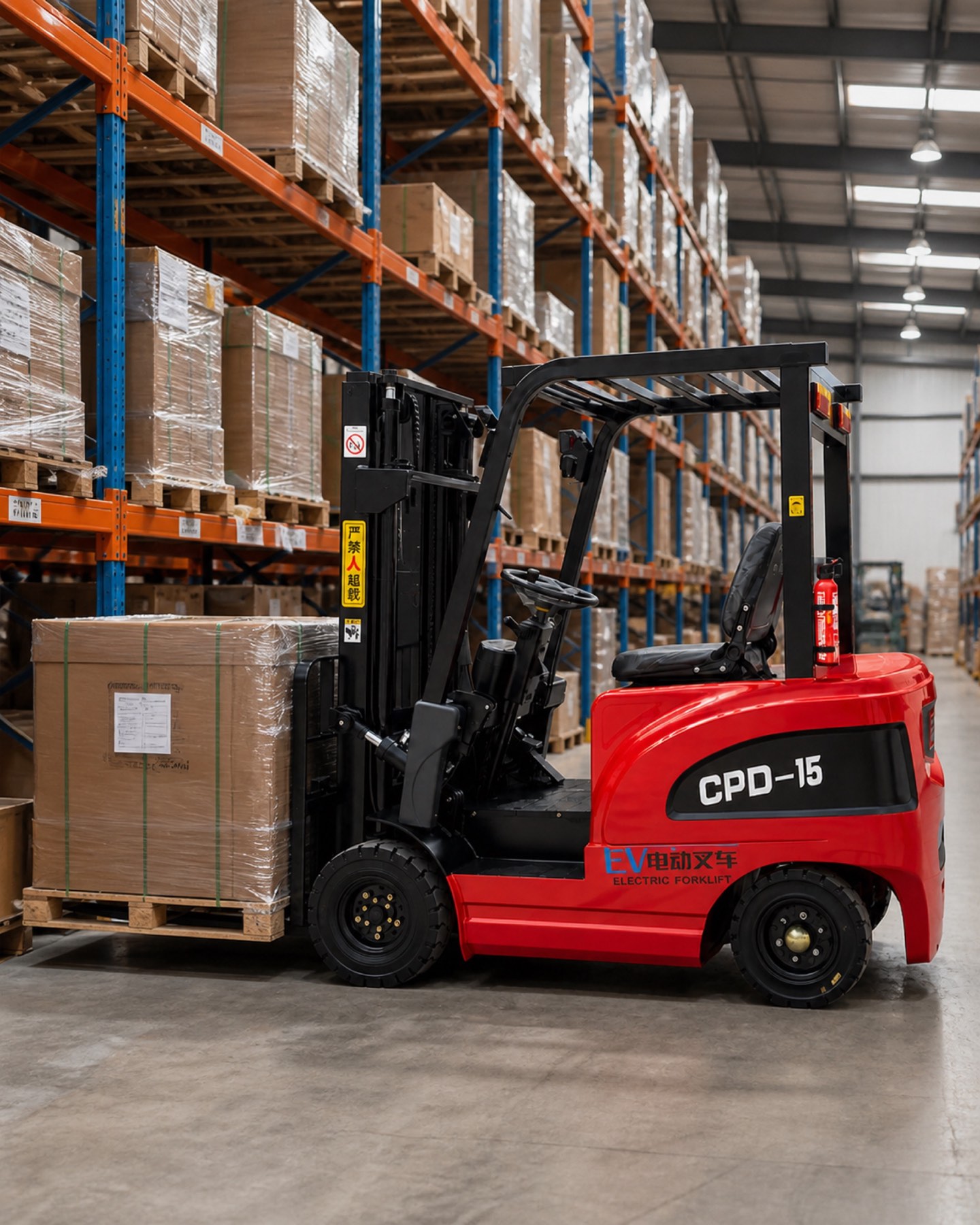
Start with the pallet and handling task
Fork length is easy to treat as a catalogue choice, yet it should be reviewed as part of the actual electric forklift configuration. A fork that appears appropriate beside a truck photograph may not match the pallets, load shape, storage positions or travel route in a buyer's application. Before asking for a quotation, record what is picked up, how it is supported, where it is placed and which configuration is being discussed.
This buyer brief helps a procurement team ask a supplier focused questions. It does not specify a universal fork length, calculate capacity, approve a load, authorise a modification, replace the delivered data plate or operating instructions, or substitute for a site-specific assessment and qualified advice. The actual truck, carriage, mast, attachment, load, workplace and applicable rules determine those matters.
Describe the load as it is really handled
Begin with the regular load rather than the nominal truck capacity. Record the pallet or load type, its length and width, the direction in which it is approached, the heaviest regular weight, height, any overhang and the load centre where known. If several formats are handled, separate them instead of averaging them into one convenient description.
A supplier also needs to know whether the forks enter a pallet fully, partly, or beneath a non-palletised load that uses a specifically proposed support method. Photos can help, but label each photo with the relevant load, pallet and pick-up direction. A picture of an empty pallet does not show an overhanging carton, a skid, a blocked entry or a load that changes shape in transit.
| Buyer record | Why it belongs in the fork discussion |
|---|---|
| Pallet or load length and width | Connects the proposed forks to the load footprint |
| Entry direction and available openings | Shows how the forks are expected to enter and support the load |
| Heaviest regular load and load centre where known | Gives context for a configuration-specific capacity review |
| Load height, overhang and packaging | Makes the complete load envelope visible |
| Number of load formats | Prevents one pallet style being assumed for every task |
| Photos and measured sketches | Helps the supplier identify details not clear in a short description |
For a broader starting record, see our electric forklift buying guide. If an attachment, special carriage or unusual load interface is part of the task, keep it in the same application brief using the electric forklift attachment selection checklist. It should not be treated as a later accessory that has no effect on the configuration review.
Map the pick-up, placement and storage positions
Fork selection is not only about the load while it is moving. Describe the locations where the forks must enter, lift, place and withdraw. In racking, record the pallet support arrangement, beam positions, pallet depth, any overhang, backstops or guards, and the required placement height. In floor storage, record how loads are stacked, picked from a line or positioned against a wall. For loading tasks, note the vehicle, dock or container constraints separately.
Do not infer a final fork arrangement from rack depth or pallet size alone. The required clearance, support method, load position, mast, carriage and any attachment need to be reviewed together for the proposed truck. Our electric forklift mast selection checklist helps retain the related lift-height and overhead-clearance information.
| Work position | Detail to collect before quotation |
|---|---|
| Pick-up point | Pallet entry, floor clearance, adjacent stock and approach direction |
| Rack position | Beam layout, pallet depth, load placement height and any obstruction |
| Floor storage | Stack pattern, overhang, wall clearance and load-access direction |
| Vehicle or container task | Opening, internal layout, staging route and the load's final position |
| Transfer point | Doors, turns, staging areas or other points where the load profile matters |
When an application includes several positions, identify the most demanding normal task and list infrequent exceptions separately. A supplier can then state which case its proposed configuration addresses and which case needs more information. That is more useful than assuming a single fork choice covers every future load without conditions.
Include the complete travel route
The forks, load and truck move as one profile. Add the narrowest aisle, door, turn, rack end, barrier, staging space and height restriction on the regular route to the buyer brief. Note whether the load is moved forward or in another documented orientation, without turning this article into an operating instruction.
A fork length cannot by itself confirm clear travel or turning space. Load overhang, pallet orientation, attachment dimensions and the proposed truck can all affect the space that must be assessed. Use the forklift aisle width measurement guide to make the route record specific before asking a supplier to review the configuration.
Where a route changes between warehouse, loading area, outdoor crossing, ramp or container, map each section. The goal is not to declare the route suitable. It is to avoid presenting a fork-and-load question as though it exists only at the rack face.
Keep forks in the complete configuration record
Ask each supplier to identify the proposed truck configuration in writing: model, mast, carriage, forks, any attachment, battery, charger, tyres and included options where relevant. The supplier should also state the buyer information used, assumptions, exclusions and questions still open. A product-series photo or a generic specification sheet is not a substitute for this record.
The fork discussion should stay connected to the configuration that will be ordered. If a different fork length, attachment, mast, load format or destination requirement is proposed later, record it as a revision rather than relying on a prior answer. Our electric forklift order change control checklist provides a practical way to keep the updated configuration and supporting questions traceable.
Before order release, request the configuration-specific information that will identify the delivered unit. The electric forklift data plate checklist explains why the actual equipment record, not a generic model label, matters when a buyer verifies the agreed package.
Separate procurement review from workplace responsibility
A supplier can review the recorded application and propose a configuration, but a quotation does not approve a workplace, storage system, racking condition, load stability, operator arrangements or local compliance obligations. Keep those matters with the responsible site team and appropriately qualified people. The delivered manufacturer's instructions, data plate and applicable local rules remain the authoritative sources for using the equipment.
For U.S. workplaces, OSHA's current powered industrial truck standard includes requirements relevant to attachments and changes to industrial trucks. Its scope is jurisdiction-specific and it does not replace the manufacturer's instructions, a configuration review or a site assessment. Buyers outside that jurisdiction should obtain guidance for their own market and workplace.
Ask for a controlled response, not a generic promise
Send the same measured brief to every supplier being compared. Ask for the exact proposed configuration, the documented application basis, any conditions or exclusions, and a list of unresolved points. Do not ask a supplier to promise that a generic fork length will suit every pallet, route or future task.
For a like-for-like review, use the electric forklift quote comparison checklist after responses arrive. Keep the supplier's response beside the pallet sketches, route measurements, rack information and final order revision so the team can see what was actually considered.
Electric forklift fork-length selection checklist
Before treating an electric forklift fork arrangement as ready for quotation or order release, confirm that:
- each regular pallet or load format is recorded with measured dimensions, entry direction and a clear photo or sketch where useful;
- the heaviest normal load, load height, overhang and load centre where known are visible in the buyer brief;
- pick-up, placement, racking, floor-storage and vehicle-loading positions are described separately where they differ;
- the full travel route, including aisles, doors, turns, staging space and height constraints, is documented;
- mast, carriage, forks, attachments and load information are reviewed as one proposed configuration rather than as isolated catalogue choices;
- each supplier is asked to state its application basis, assumptions, exclusions and remaining questions in writing;
- changes to forks, load format, attachment, mast or route trigger a fresh review of the affected record; and
- the responsible site team retains workplace, racking, load, training and local-compliance decisions with qualified people.
A measured fork-selection brief gives an electric forklift buyer a clearer basis for supplier discussions without making unsupported claims about capacity, clearance, suitability or safe operation. Send your pallet dimensions, load details, storage layout and destination market for an electric forklift configuration discussion