Plan the demonstration role before selecting a truck
A dealer demonstration fleet is not simply a smaller version of an inventory order. Each truck may be asked to introduce prospective buyers to a type of application, explain a configuration discussion or support an on-site evaluation. Before ordering, define what the demonstration fleet is intended to help the dealer learn, show and qualify.
Start with the target conversations rather than a broad request for a popular model. A distributor may expect to meet warehouse operators, manufacturing teams, loading applications or mixed-use buyers. Those audiences can bring different load, lift, route, charging and documentation questions. Recording those questions does not predetermine a configuration; it gives the dealer a practical brief for asking a supplier what should be discussed for each intended application.
The purpose of a demo plan is to organise commercial and technical conversations. It is not a claim that a demonstration truck will suit every visitor's facility, or that a trial replaces the delivered-equipment manual, site assessment, safety review or local legal advice.
Build an application map for the demo fleet
List the recurring buyer profiles the dealer expects to meet and the handling information each profile should bring to a discussion. Do not group every prospect under a single label such as warehouse use. A buyer moving standard pallets indoors can have a very different route, lift height and operating pattern from a buyer loading vehicles or supplying a production line.
| Demo-planning field | Question for the dealer to record |
|---|---|
| Target buyer type | Which industries, locations or handling roles is the dealer expecting to discuss? |
| Regular task | Is the conversation about storage, production supply, receiving, dispatch or another defined task? |
| Load and pallet | What weights, dimensions, load centres and pallet formats should a prospect be asked to describe? |
| Height and route | Which rack heights, doors, aisles, turns or loading positions may affect the discussion? |
| Operating pattern | What shift, travel, peak-work and planned-availability questions should be captured? |
| Local support model | Who will receive technical questions, quote follow-ups and service enquiries after a demonstration? |
| Open assumptions | Which details remain unknown until the prospective buyer supplies site information? |
Use the same record at trade meetings, site visits and inbound enquiries. A consistent brief makes it easier to distinguish a general product introduction from a buyer who is ready to request a configuration-specific proposal. For a fuller base checklist, link the team to our electric forklift buying guide.
Choose configurations that support clear conversations
A demonstration truck can show features and controls, but its visible equipment should not be presented as the correct answer for every prospective buyer. Keep a configuration record for each unit: model, mast, forks, tyres, battery, charger, attachments, included accessories and any items that are still subject to confirmation.
The record gives the dealer a reliable reference when discussing the truck. It also prevents a product photo, a short demonstration or a remembered option list from becoming an unsupported promise in a quotation. If a prospect asks about a different mast, attachment or charging arrangement, create a new application record instead of assuming that the demo configuration transfers unchanged.
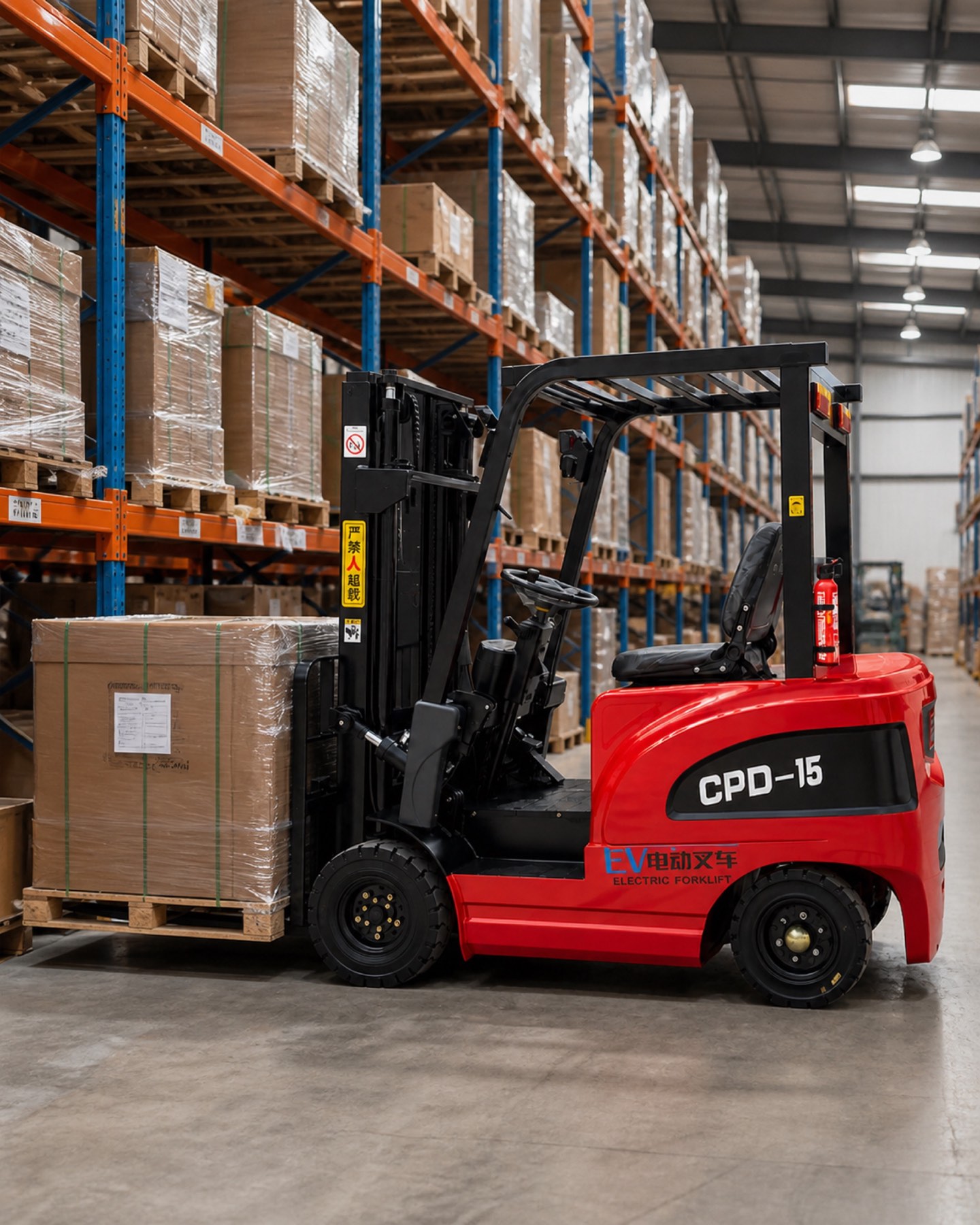
The published CPD-15, CPD-20 and CPD-30 pages can help start a product-range conversation. The final proposal should still identify the configuration offered for the buyer's documented work.
Prepare a repeatable demonstration brief
A dealer can make every meeting more useful by preparing a short brief before the equipment is shown. Include the prospective buyer's task, the questions it wants to answer and the information that the dealer still needs. Where the meeting is at the buyer's site, ask the responsible team to provide its own measurements, traffic arrangements and operating constraints; the dealer should not imply that observing a route is a completed site approval.
A repeatable brief can include:
- the buyer's stated load, pallet, lift and travel requirements;
- the truck configuration being shown and the reason it is relevant to the conversation;
- questions about charging location, available electrical supply and operating schedule;
- measurements or photographs the buyer has agreed to provide for a later proposal;
- topics that require supplier input, qualified site review or reference to the equipment documentation; and
- the person responsible for the next technical or commercial step.
For charging questions, use the electric forklift charger compatibility checklist to collect information rather than trying to design a charging arrangement during a demonstration. For clearances and pallet movement, our forklift aisle width guide helps the buyer prepare the relevant measurements.
Separate a demonstration from a suitability decision
A short demonstration may help a buyer understand controls, visibility or workflow questions, but it does not confirm that the truck has been specified for the buyer's work. Keep that boundary explicit in the dealer's notes and follow-up. A supplier or dealer proposal should state the application information used, the proposed configuration, exclusions and any open point that must be resolved.
This distinction matters when the prospective buyer's task differs from the demo setting. A changed load, a different attachment, a narrow doorway, a new rack height, a longer route or a multi-shift requirement can change the discussion. Do not describe a smooth demonstration as proof of capacity, runtime, compliance, site safety or suitability for another operating environment.
If the dealer is comparing options for a live opportunity, use the electric forklift quote comparison checklist so that the buyer and supplier are working from the same written brief.
Plan records and handover responsibilities
A demo fleet benefits from the same disciplined records as any other dealer asset. Retain the unit's delivered configuration, applicable manuals, charger identification, service-contact route and internal handover record. Assign someone to update the record when an option changes or the unit is moved to a different market or demonstration role.
Separate those internal records from sales claims. A dealer may explain that it can discuss configurations and collect requirements, but it should not promise local parts availability, service response, delivery timing, certification scope or customer outcomes unless those points have been confirmed in the applicable agreement. For a separate planning discussion about distributor support stock, see our electric forklift spare-parts list for distributors.
Review what the demo programme is teaching the dealer
After a group of demonstrations, review the enquiries rather than just the number of visits. Look for repeated questions about lift heights, pallet formats, charging access, document needs, attachments or common operating environments. These patterns can improve the dealer's application form and future supplier briefing, but they should not be treated as evidence that every new prospect needs the same equipment.
Keep a list of unanswered questions and pass configuration-specific points to the supplier with the buyer's actual application details. This creates a useful feedback loop without turning informal field comments into a product commitment.
Dealer checklist before ordering an electric forklift demo fleet
Before finalising a demonstration-fleet order, confirm that:
- each target buyer conversation has an application-focused brief rather than a generic model request;
- every demo unit has a written configuration record and clear explanation of what remains subject to confirmation;
- the dealer has a repeatable method for collecting load, route, height, schedule and charging information;
- demonstrations are not represented as capacity, runtime, safety, compliance or site-suitability approvals;
- technical questions, buyer follow-ups and local support responsibilities have named owners;
- quoted opportunities are compared against the buyer's actual written application; and
- unit documents and dealer records remain separate from unconfirmed commercial promises.
A planned demo fleet can help a distributor turn early interest into better-informed configuration conversations without overstating what a single truck or demonstration proves. Send your target buyer profiles, intended demo applications and market requirements for an electric forklift distributor discussion