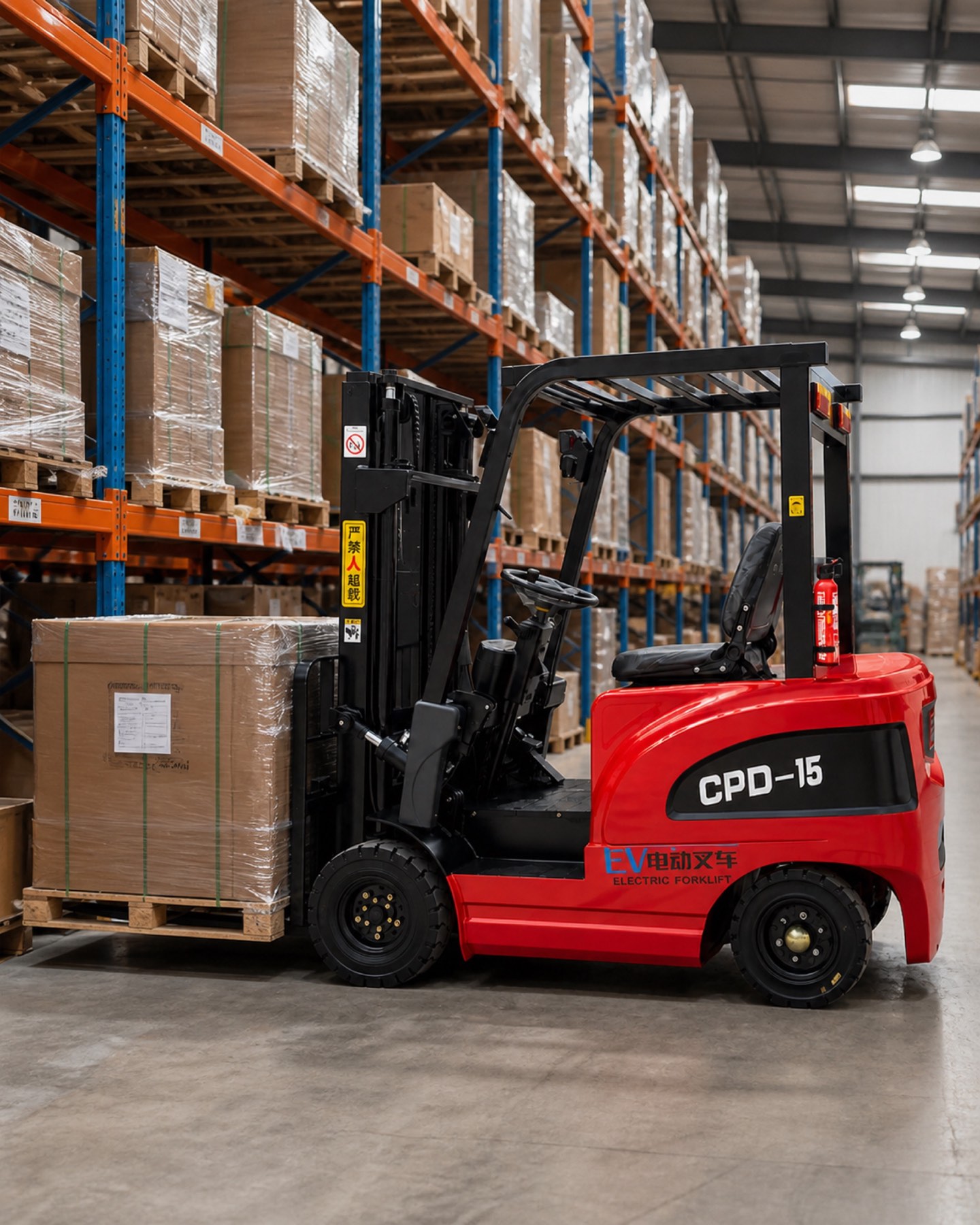
Start with the working pattern, not a runtime promise
A multi-shift warehouse needs more than a forklift model name and a nominal battery figure. Before asking a supplier to propose an electric forklift fleet or charging package, document when work happens, where each truck works and when equipment is genuinely available between tasks. The aim is to create a shared planning record, not to turn a general estimate into a guaranteed operating time.
A useful request makes the busy periods visible. A truck may be lightly used for much of a shift but essential during inbound arrivals, production changeovers or dispatch cut-offs. Separating those peaks from average activity helps the buyer compare proposals on the same application.
Build a shift-by-shift task map
List each regular shift, its handover points and the areas where forklifts are required. For every period, record the task type, the likely number of trucks needed and the conditions that may change the work: lift height, travel distance, load type, attachments, temperature zones, ramps or surface transitions. Do not replace this record with a daily total alone.
| Information to collect | Why it belongs in the buyer brief |
|---|---|
| Shift start, finish and overlap | Shows when trucks are expected to be available for work or handover |
| Peak receiving, production and dispatch windows | Identifies periods when several trucks may be needed at once |
| Regular load, pallet and lift requirements | Connects fleet planning to the actual handling task |
| Work zones and travel routes | Makes route constraints and task changes visible |
| Truck allocation by task | Distinguishes a dedicated truck from one shared across operations |
| Planned break, parking and charging windows | Creates a factual basis for charging discussions |
| Contingency arrangements | Helps identify questions about coverage when a truck is unavailable |
For a fuller description of the load, height and route information to include, use our electric forklift buying guide. If the work involves constrained storage areas, the forklift aisle width guide helps the buyer record the clearance information separately from the shift plan.
Separate task demand from fleet availability
Do not assume that the number of forklifts owned is the same as the number available for a peak task. A planning sheet should identify which trucks are scheduled for receiving, line supply, storage, loading or other regular duties, then show where two tasks compete for the same truck. Record planned inspections, service windows and the arrangements your own operation intends to make if a unit cannot be assigned.
This is not a calculation that proves a particular fleet size. Actual availability can be affected by the delivered configuration, workload, site layout, maintenance needs and local operating arrangements. The value of the sheet is that it exposes assumptions before they are hidden inside a quotation.
Use scenarios instead of one average day
Prepare at least three controlled descriptions: a typical shift, a forecast peak period and a reduced-demand period. Keep the same basic load and route details in each one, then mark what changes: number of active trucks, shift overlap, dispatch volume or charging opportunity. Ask each supplier which scenario it used when discussing the proposed equipment.
A supplier response is easier to evaluate when it states whether it is addressing a normal workload, a peak requirement or an open assumption. Avoid asking for an unconditional assurance that a truck will cover every possible future peak without the supporting task information.
Map charging as a scheduling question
Charging is part of the daily plan, but it should not be treated as a generic break-time activity. Record the proposed truck and battery identification where known, the charger identification, the location intended for charging, the site electrical information available for review and the windows when each truck can be released from work. If more than one truck shares an area, show whether their planned windows overlap.
The site team should have appropriately qualified people review the charging location, electrical installation and the instructions supplied for the actual equipment. This article does not provide charging, maintenance or electrical-installation instructions. For the purchaser's configuration record, see our electric forklift charger compatibility checklist.
| Charging-planning question | Record before requesting a proposal |
|---|---|
| Which truck is involved? | Model and quoted battery or charger identifiers, where available |
| When is it released from work? | Shift, break, handover or other planned window |
| Where will it be placed? | Proposed charging location and any site information still to be reviewed |
| Who owns the open point? | Buyer, supplier, electrical adviser or other responsible party |
| What remains unconfirmed? | Site supply, configuration, equipment instructions or scheduling assumptions |
Request one comparable response from each supplier
Send the same shift map, task scenarios and charging record to every supplier under consideration. Ask each response to identify the proposed truck configuration, battery and charger package, the operating assumptions used and the information that still needs confirmation. A base model, a headline battery value or a general statement about multi-shift work does not document the proposal for your facility.
Where the equipment will also need masts, forks or attachments, keep those details in the same request. The proposed configuration should show the complete handling task, not only the energy or fleet discussion. Our electric forklift attachment selection guide explains why the load interface and truck configuration should be recorded together.
Keep an open-points register before ordering
Create a short register for any unanswered question. Each item should state the scenario it affects, the information required, the responsible party and the point at which it must be resolved. This avoids treating a planning estimate as a site approval, an operating instruction or a contractual performance promise.
Before approving a multi-shift electric forklift proposal, confirm that:
- every regular shift, handover and peak activity is documented;
- loads, routes, lift tasks and any special work zones are described for the active trucks;
- the proposed truck, battery, charger, mast, forks and attachments are listed in writing where relevant;
- charging windows are tied to the actual operating schedule rather than assumed from an average day;
- the supplier's response distinguishes its assumptions, exclusions and unresolved questions;
- electrical, facility, training and local-procedure responsibilities remain with the appropriate responsible parties; and
- the final order record identifies the configuration actually agreed.
A clear multi-shift buyer brief helps a procurement team discuss fleet coverage and charging options without claiming that a general article can determine the right configuration for every site. Send your shift pattern, peak tasks and planned charging windows for an electric forklift configuration discussion